
You Caught the Order. Would You Catch the Interaction?
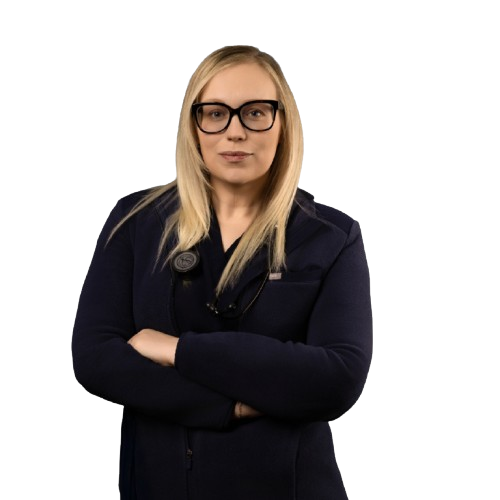

I’ve seen what happens when a high-alert medication error makes it to the bedside. A concentration mix-up. A rate that ran too fast. An interaction nobody caught until it was too late.
The order looked normal. The alert didn’t fire. The nurse was the last line of defense.
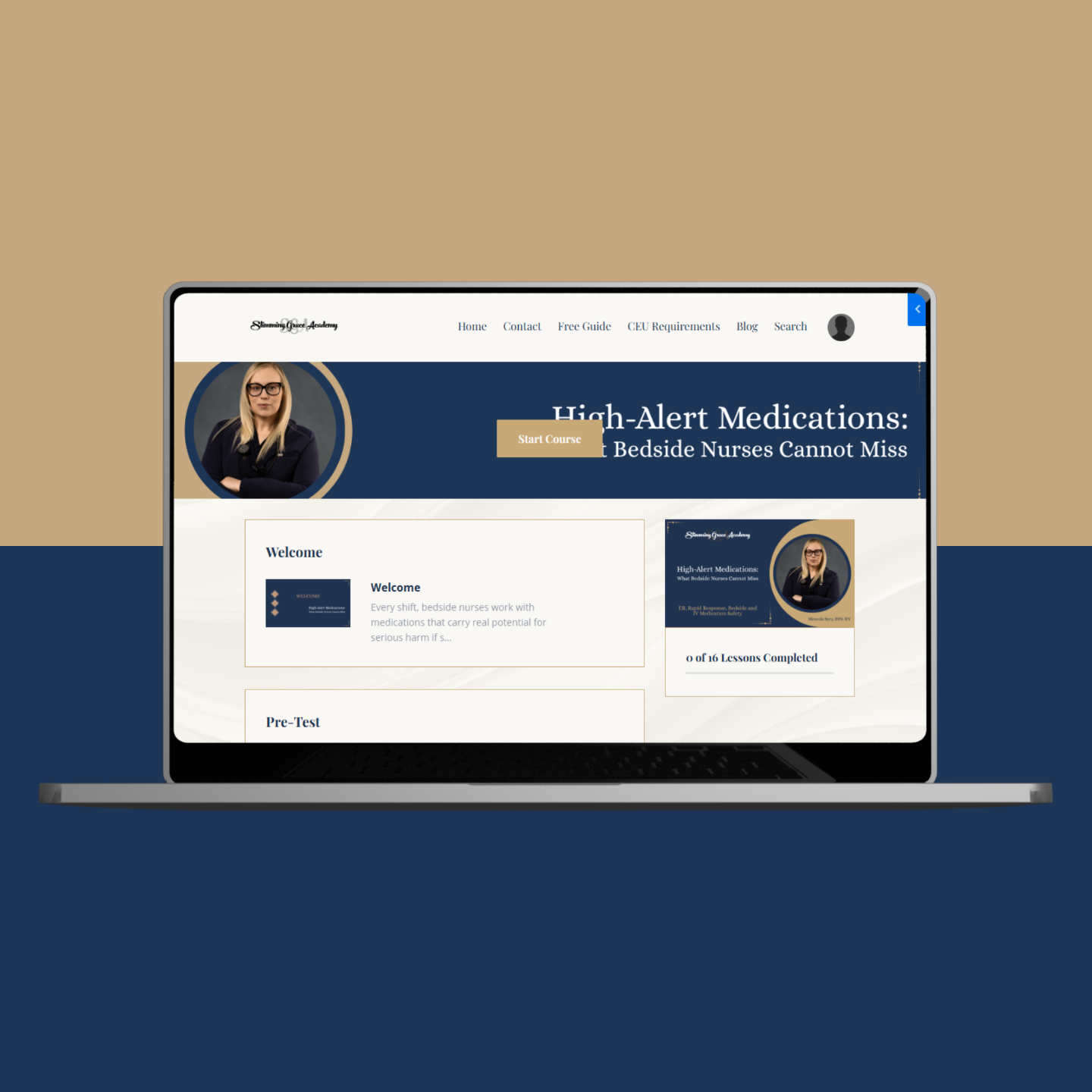
I built High-Alert Medications: What Bedside Nurses Cannot Miss to help nurses recognize those risks before they reach the patient.
Not by relying on memory alone, but by building a reliable process for what to check, what to question, and when to speak up.
Earn 4.0 ANCC NCPD contact hours while strengthening the clinical judgment you rely on at the bedside.
Because sometimes, catching what the system missed is what protects your patient.
You Caught the Order. Would You Catch the Interaction?
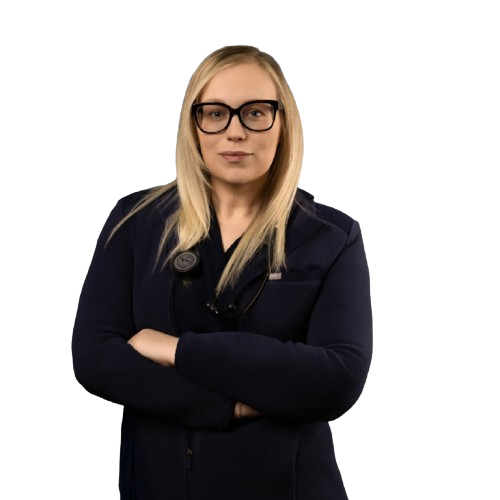
I’ve seen what happens when a high-alert medication error makes it to the bedside. A concentration mix-up. A rate that ran too fast. An interaction nobody caught until it was too late.
The order looked normal. The alert didn’t fire. The nurse was the last line of defense.
I built High-Alert Medications: What Bedside Nurses Cannot Miss to help nurses recognize those risks before they reach the patient.
Not by relying on memory alone, but by building a reliable process for what to check, what to question, and when to speak up.
Earn 4.0 ANCC NCPD contact hours while strengthening the clinical judgment you rely on at the bedside.
Because sometimes, catching what the system missed is what protects your patient.
Welcome!
Most nurses were never taught a repeatable way to evaluate a high-alert medication in the moment - not a drug list to memorize, but a process: why it's ordered, what to check first, what can go wrong, and when to stop and call someone.
That's exactly why this course exists.

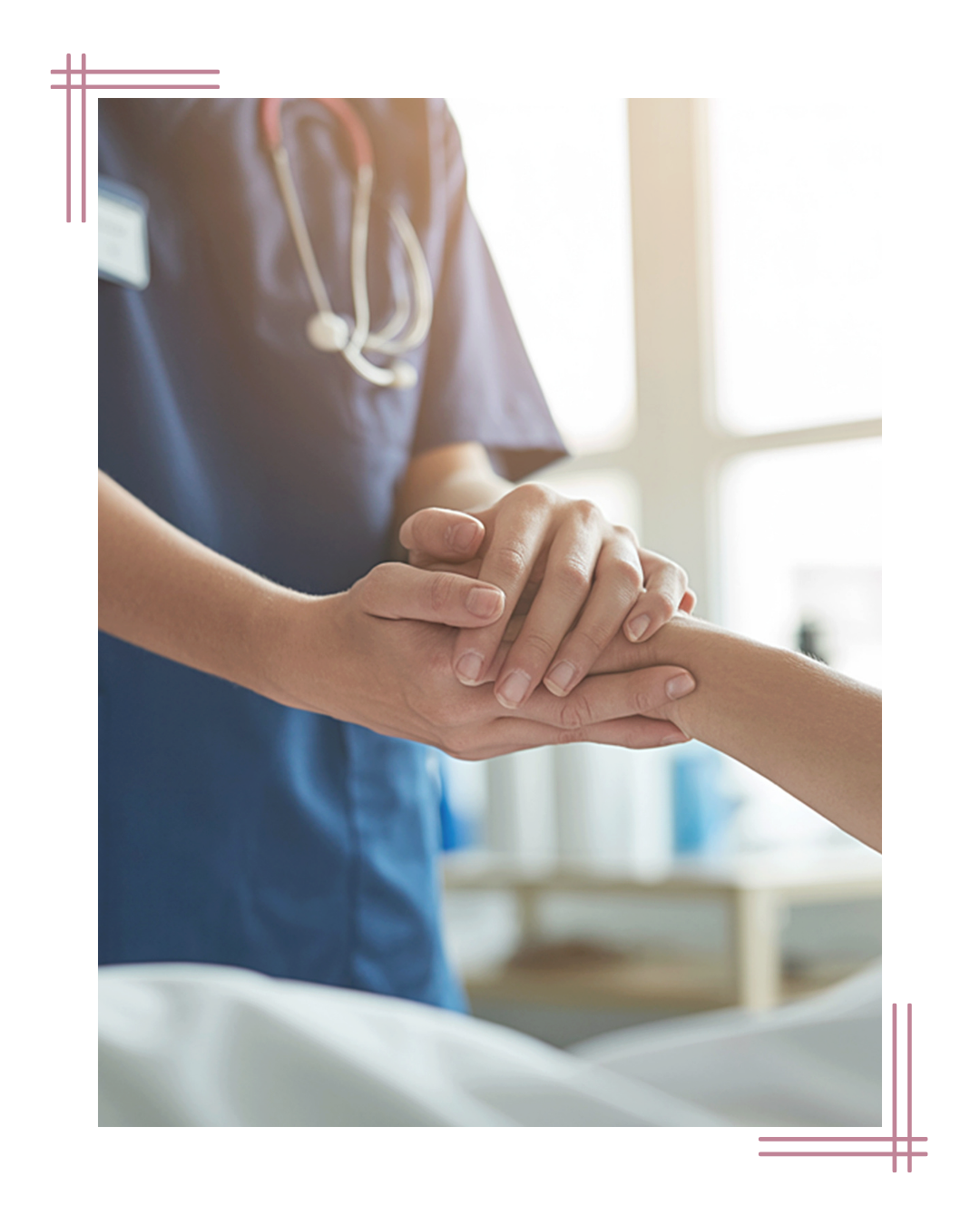
You Know That Feeling...
→ When you're pushing a med you give all the time and a small voice asks, wait - is this the concentrated version?
→ When you scan an order and something about the rate or the route feels off, but you can't say exactly why.
→ When you hear about a med event on another unit and think, would I have caught that?
That gut check is worth listening to - not ignoring.

......
Documentation training tells you how to write it down. This course is about what happens before that - recognizing the risk in the first place.
But here's what's really happening:
Most high-alert errors aren't knowledge gaps
They're pattern-recognition gaps - a nurse who knows the drug but doesn't pause on the one detail that made this dose, this patient, or this combination different.
"The pump didn't alert" isn't a safety net.
Smart pumps, barcode scanning, and EHR alerts catch a lot. They don't catch everything, and they were never meant to replace your judgment.
You are the last check before the medication reaches the patient.
Once it's given, the only thing standing between a near miss and a harm event is what you noticed and what you did next.
"I've given this a hundred times" isn't a safety check.
Familiarity is exactly what makes the hundred-and-first time risky - it's when the pause is most likely to get skipped.
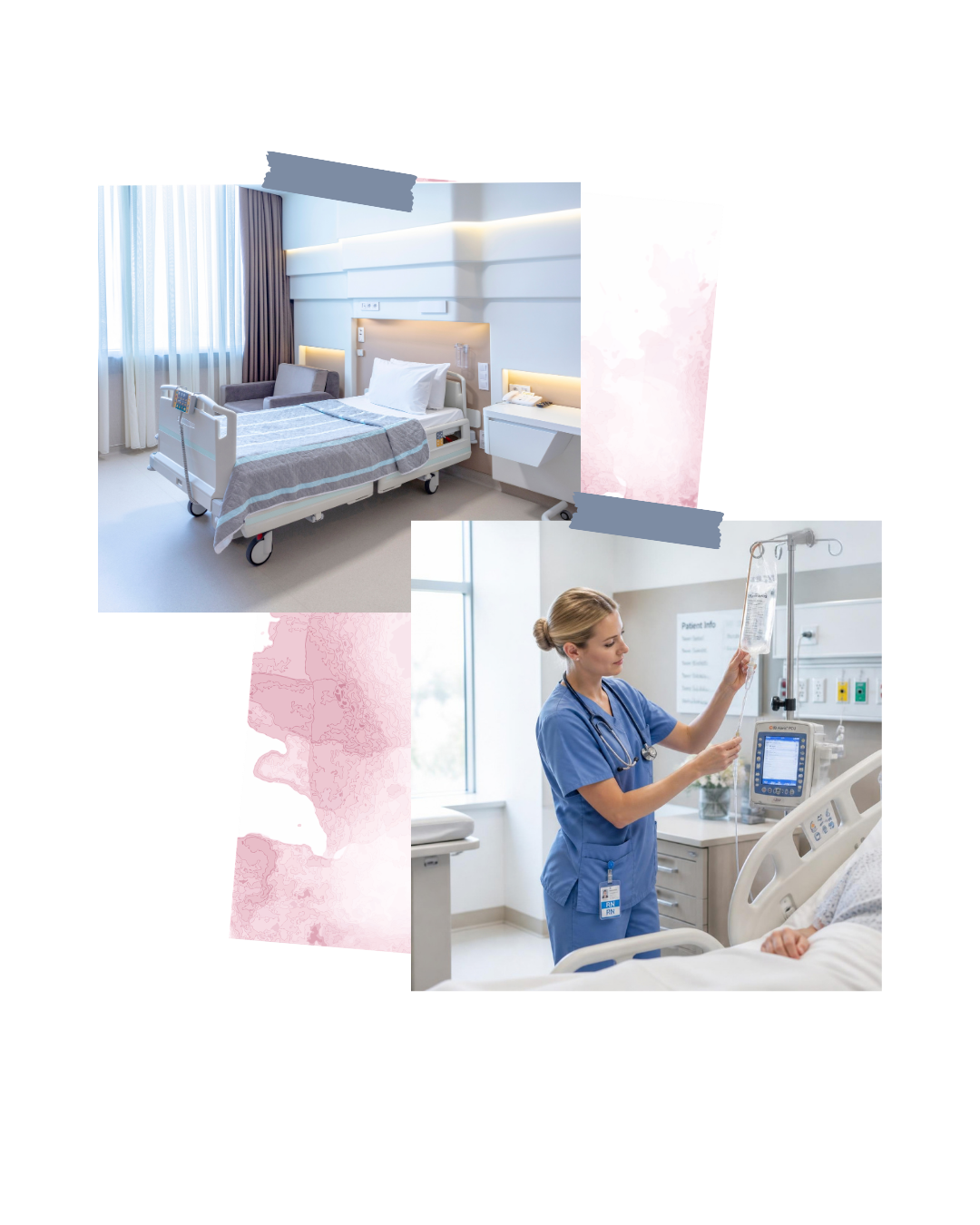
Your Clinical Skills? You've Got Those.
Your high-alert recognition process? That's where most nurses are exposed.
And "I'd probably catch it" isn't something you can rely on at 3 a.m. on hour eleven of a shift.
Welcome!
Most nurses were never taught a repeatable way to evaluate a high-alert medication in the moment - not a drug list to memorize, but a process: why it's ordered, what to check first, what can go wrong, and when to stop and call someone.
That's exactly why this course exists.
You Know That Sick Feeling...
→ When you're pushing a med you give all the time and a small voice asks, wait - is this the concentrated version?
→ When you scan an order and something about the rate or the route feels off, but you can't say exactly why.
→ When you hear about a med event on another unit and think, would I have caught that?
That gut check is worth listening to - not ignoring.
......
Documentation training tells you how to write it down. This course is about what happens before that - recognizing the risk in the first place.
But here's what's really happening:
Most high-alert errors aren't knowledge gaps.
They're pattern-recognition gaps - a nurse who knows the drug but doesn't pause on the one detail that made this dose, this patient, or this combination different
"The pump didn't alert" isn't a safety net.
Smart pumps, barcode scanning, and EHR alerts catch a lot. They don't catch everything, and they were never meant to replace your judgment.
You are the last check before the medication reaches the patient.
Once it's given, the only thing standing between a near miss and a harm event is what you noticed and what you did next.
"I've given this a hundred times" isn't a safety check.
Familiarity is exactly what makes the hundred-and-first time risky - it's when the pause is most likely to get skipped.
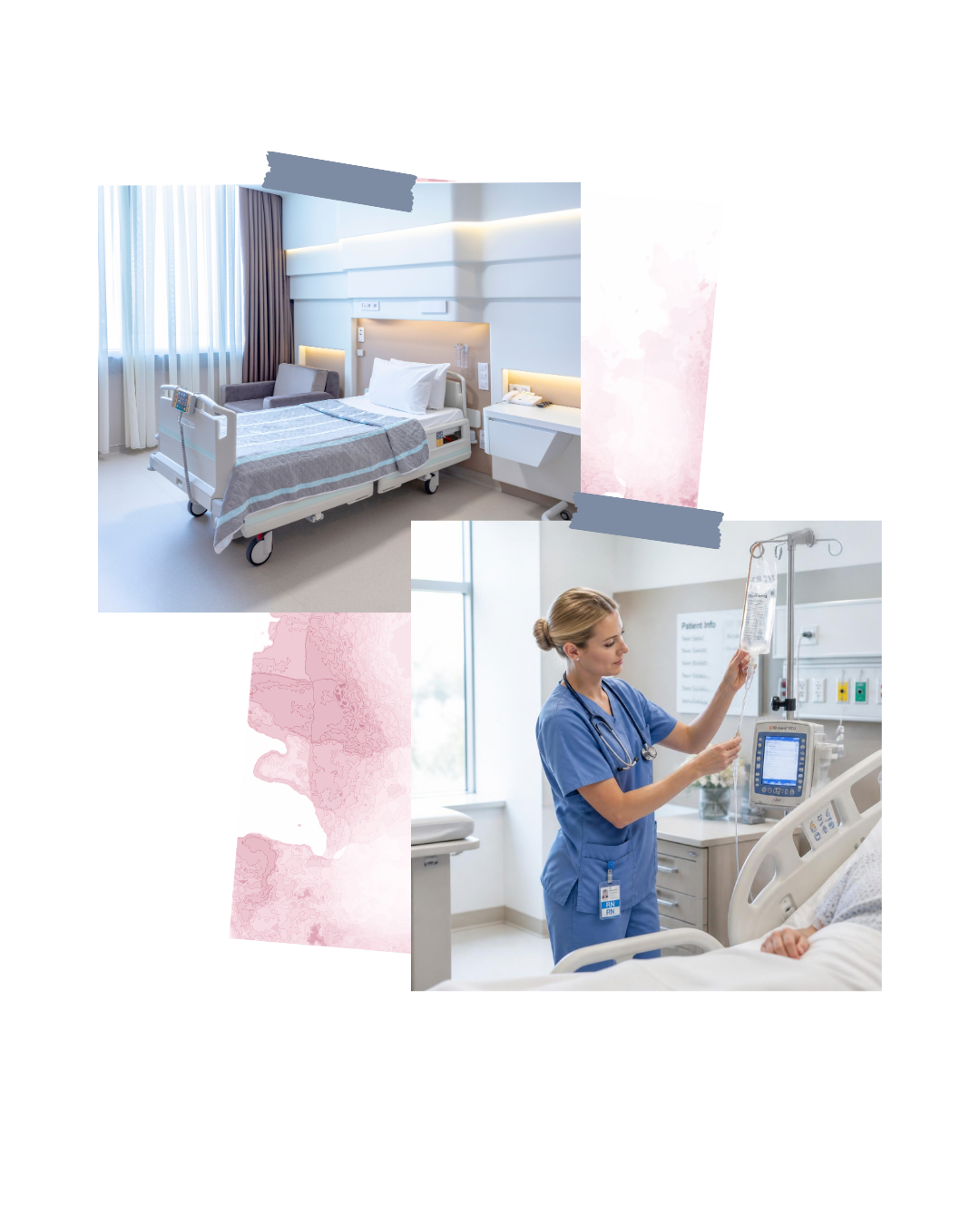
Your clinical skills? You've got those.
Your high-alert recognition process? That's where most nurses are exposed.
And "I'd probably catch it" isn't something you can rely on at 3 a.m. on hour eleven of a shift.
What If You Had a Process for Every High-Alert Medication?
Picture this...
✓ You can name why a med is high-alert before you draw it up - not just that it is.
✓ You know exactly what to check before administration: allergies, labs, renal/hepatic function, duplicate therapy, required monitoring.
✓ You catch a concentration, route, or rate problem before it becomes an event - not after.
✓ You recognize the dangerous combinations (opioids + benzos, QT-prolonging meds, anticoagulants + antiplatelets) without needing to look them up cold.
✓ You know precisely when a concern means "verify," when it means "call pharmacy," and when it means "call the provider or the rapid response team."
✓ You finish a high-alert medication pass with confidence, not a lingering I hope that was right.
That's not memorizing a drug list. That's what happens when you stop reacting to high-alert meds and start working a process built for them.
START PRACTICING WITH CONFIDENCEWhat If You Had a Process for Every High-Alert Medication?
Picture this...
✓ You can name why a med is high-alert before you draw it up — not just that it is.
✓ You know exactly what to check before administration: allergies, labs, renal/hepatic function, duplicate therapy, required monitoring.
✓ You catch a concentration, route, or rate problem before it becomes an event — not after.
✓ You recognize the dangerous combinations (opioids + benzos, QT-prolonging meds, anticoagulants + antiplatelets) without needing to look them up cold.
✓ You know precisely when a concern means "verify," when it means "call pharmacy," and when it means "call the provider or the rapid response team."
✓ You finish a high-alert medication pass with confidence, not a lingering I hope that was right.
That's not memorizing a drug list. That's what happens when you stop reacting to high-alert meds and start working a process built for them.
START PRACTICING WITH CONFIDENCEBuilt by a Nurse Who's Lived the Bedside
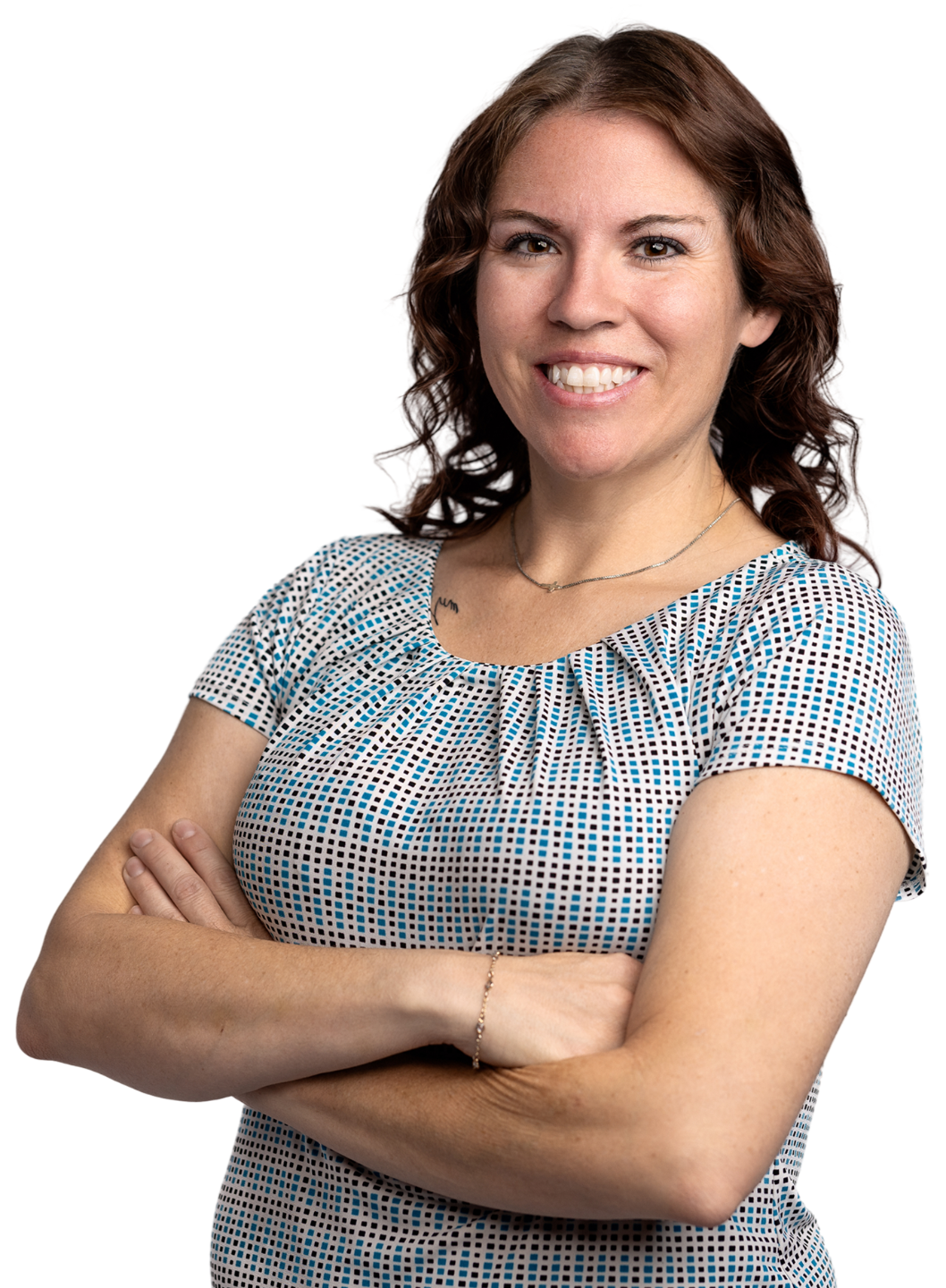
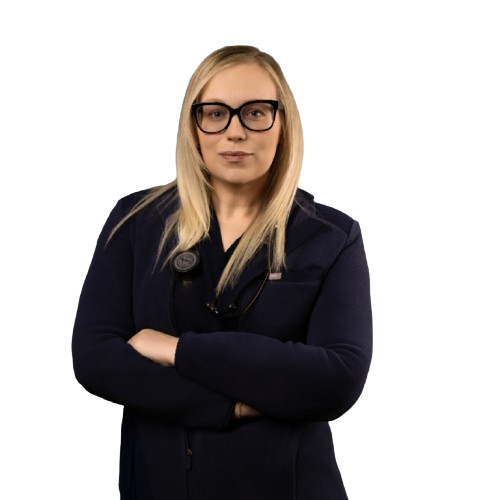
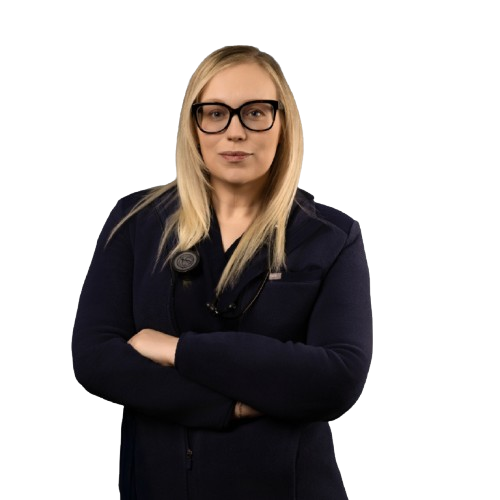
I'm Miranda Spry, BSN, RN, and I built High-Alert Medications: What Bedside Nurses Cannot Miss because I know what it's like to double-check a concentrated insulin order for the third time in a shift, wondering if I'm being careful or just slow - and knowing the answer matters more than the question.
High-alert medication education often stays abstract - a static list, a memorized cutoff, nothing that reflects how these decisions actually get made at 2 a.m. with three other things going on. This course doesn't work that way.
Every module is built around a repeatable process: why the medication is given, what to assess first, where the error traps live, what interacts dangerously, what to monitor, and what requires escalation. You'll work through realistic scenarios - not abstract drug trivia - and practice the "stop or proceed" decision in situations that actually mirror your unit.
This isn't a drug reference. It's the thinking process I wish had been taught to me earlier - built for bedside, med-surg, telemetry, step-down, ED, and critical-care nurses who handle high-alert medications every shift.
Built by a Nurse Who's Lived the Bedside
I'm Miranda Spry, BSN, RN, and I built High-Alert Medications: What Bedside Nurses Cannot Miss because I know what it's like to double-check a concentrated insulin order for the third time in a shift, wondering if I'm being careful or just slow - and knowing the answer matters more than the question.
High-alert medication education often stays abstract - a static list, a memorized cutoff, nothing that reflects how these decisions actually get made at 2 a.m. with three other things going on. This course doesn't work that way.
Every module is built around a repeatable process: why the medication is given, what to assess first, where the error traps live, what interacts dangerously, what to monitor, and what requires escalation. You'll work through realistic scenarios - not abstract drug trivia - and practice the "stop or proceed" decision in situations that actually mirror your unit.
This isn't a drug reference. It's the thinking process I wish had been taught to me earlier - built for bedside, med-surg, telemetry, step-down, ED, and critical-care nurses who handle high-alert medications every shift.
I started teaching what I wish someone had taught me earlier: how to recognize a high-alert medication risk before it reaches the patient.
Not a drug list to memorize. Not rules without context.
The real bedside situations: concentration mix-ups, rate errors, dangerous combinations, and the warning signs that can be easy to miss. More importantly, how to recognize the risk, know when to stop, and know when to question or escalate.
That’s why I created High-Alert Medications: What Bedside Nurses Cannot Miss.
This isn’t another generic medication course. It’s built around real clinical scenarios, “stop or proceed” decisions, and a repeatable process for assessing what you’re about to give, what could go wrong, and what needs your attention first.
So you can approach high-alert medications with a clear process and greater confidence at the bedside.
Know what to check. Know when to stop. Know when to speak up.
START PRACTICING WITH CONFIDENCEI started teaching what I wish someone had taught me earlier: how to recognize a high-alert medication risk before it reaches the patient.
Not a drug list to memorize. Not rules without context.
The real bedside situations: concentration mix-ups, rate errors, dangerous combinations, and the warning signs that can be easy to miss. More importantly, how to recognize the risk, know when to stop, and know when to question or escalate.
That’s why I created High-Alert Medications: What Bedside Nurses Cannot Miss.
This isn’t another generic medication course. It’s built around real clinical scenarios, “stop or proceed” decisions, and a repeatable process for assessing what you’re about to give, what could go wrong, and what needs your attention first.
So you can approach high-alert medications with a clear process and greater confidence at the bedside.
Know what to check. Know when to stop. Know when to speak up.
START PRACTICING WITH CONFIDENCE
This Is For You If...
✓ You're a bedside, med-surg, telemetry, step-down, ED, or critical-care nurse who wants a real process for high-alert medications - not another list to memorize.
✓ You want to recognize concentration, route, and rate errors before administration, not after a near-miss report.
✓ You want to know the dangerous interaction patterns cold - opioids with sedatives, QT-prolonging combinations, anticoagulant stacking - instead of relying on an alert to catch it.
✓ You want realistic case scenarios, not abstract rules.
✓ You're ready to stop hoping you'd catch it and start knowing you would.
This Is Not For You If...
✗ You think your high-alert medication knowledge is already complete and there's nothing to sharpen.
✗ You're not willing to look closely at your own assessment habits.
✗ You believe an alert, a barcode scan, or a smart pump is a substitute for clinical judgment.
✗ You'd rather rely on memory than build a repeatable safety process.
This Is For You If...
✓ You're a bedside, med-surg, telemetry, step-down, ED, or critical-care nurse who wants a real process for high-alert medications - not another list to memorize.
✓ You want to recognize concentration, route, and rate errors before administration, not after a near-miss report.
✓ You want to know the dangerous interaction patterns cold - opioids with sedatives, QT-prolonging combinations, anticoagulant stacking - instead of relying on an alert to catch it.
✓ You want realistic case scenarios, not abstract rules.
✓ You're ready to stop hoping you'd catch it and start knowing you would.
This Is Not For You If...
✗ You think your high-alert medication knowledge is already complete and there's nothing to sharpen.
✗ You're not willing to look closely at your own assessment habits.
✗ You believe an alert, a barcode scan, or a smart pump is a substitute for clinical judgment.
✗ You'd rather rely on memory than build a repeatable safety process.
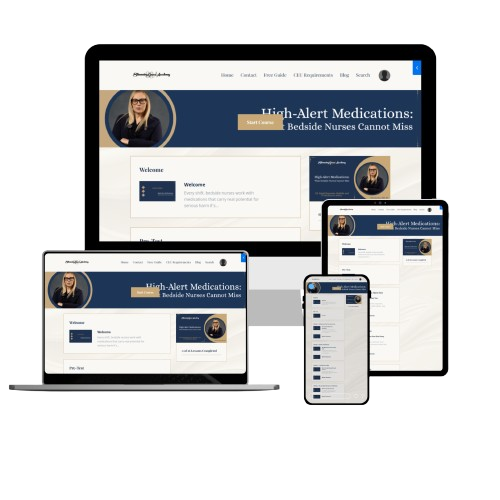
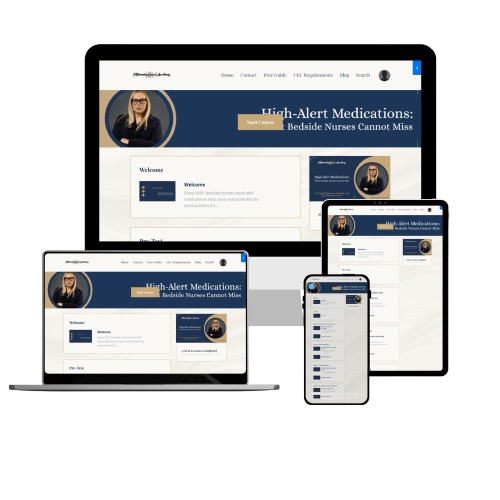
When you enroll in High-Alert Medications: What Bedside Nurses Cannot Miss, you get instant access to everything you need:

Full Course System
Six modules covering emergency and bedside high-alert medications, IV medication safety, ER and rapid-response drugs, and dangerous interactions. Earn 4.0 ANCC NCPD contact hours.
Downloadable Bedside Resource Library
Including your Medications That Can Harm Fast Checklist, Bedside High-Alert Medication Guide, ER and Rapid-Response Medication Safety Chart, IV Push and Infusion Safety Checklist, Dangerous Interaction Red-Flag Guide, When to Contact Pharmacy Guide, and a complete dated reference list.
Lifetime Access
Revisit any module, checklist, or case scenario whenever you need a refresher - before a shift, after a near-miss, or anytime your practice needs it.
Full Course System
Six modules covering emergency and bedside high-alert medications, IV medication safety, ER and rapid-response drugs, and dangerous interactions. Earn 4.0 ANCC NCPD contact hours.
Downloadable Bedside Resource Library
Including your Medications That Can Harm Fast Checklist, Bedside High-Alert Medication Guide, ER and Rapid-Response Medication Safety Chart, IV Push and Infusion Safety Checklist, Dangerous Interaction Red-Flag Guide, When to Contact Pharmacy Guide, and a complete dated reference list.
Lifetime Access
Revisit any module, checklist, or case scenario whenever you need a refresher - before a shift, after a near-miss, or anytime your practice needs it.
What's Inside High-Alert Medications
Module 1
Medications That Can Harm Fast
High-alert medication recognition, verification, concentration errors, allergy and lab review, medication reconciliation, barcode scanning, independent double-checks, and near-miss reporting.
Module 2
Bedside Medications
Insulin, anticoagulants, opioids, benzodiazepines, antihypertensives, digoxin, diuretics, electrolyte replacement, and other high-risk medications you encounter every shift.Weak examples compared side by side with strong ones.
Module 3
IV Medication Safety
IV push versus infusion, dilution, administration rate, line selection, smart pumps, Y-site compatibility, flushing, and infiltration/extravasation monitoring.
Module 4
ER and Rapid-Response Medications
Cardiac arrest and arrhythmia medications, anaphylaxis and respiratory emergency drugs, reversal and metabolic emergency medications, seizure/agitation/procedural medications, and hemorrhage and thrombosis management.
Module 5
Medication interactions
Drug-drug, drug-condition, drug-laboratory, and IV compatibility concerns — including opioid-sedative combinations, QT-prolonging medications, and anticoagulant/antiplatelet stacking.
Module 6
Case Challenge, Post-Test, and Evaluation
High-risk scenario cases, the final case-based assessment, reflection, and course evaluation.
....
PLUS: 4.0 ANCC NCPD Contact Hours Included
Complete the course, score 80% or higher on the case-based post-test, and submit the course evaluation to earn your certificate - accredited through Slimming Grace Academy.
Slimming Grace Academy is accredited as a provider of nursing continuing professional development by the American Nurses Credentialing Center's Commission on Accreditation.
What's Inside High-Alert Medications
Module 1
Medications That Can Harm Fast
High-alert medication recognition, verification, concentration errors, allergy and lab review, medication reconciliation, barcode scanning, independent double-checks, and near-miss reporting.
Module 2
Bedside Medications
Insulin, anticoagulants, opioids, benzodiazepines, antihypertensives, digoxin, diuretics, electrolyte replacement, and other high-risk medications you encounter every shift.
Module 3
IV Medication Safety
IV push versus infusion, dilution, administration rate, line selection, smart pumps, Y-site compatibility, flushing, and infiltration/extravasation monitoring.
Module 4
ER and Rapid-Response Medications
Cardiac arrest and arrhythmia medications, anaphylaxis and respiratory emergency drugs, reversal and metabolic emergency medications, seizure/agitation/procedural medications, and hemorrhage and thrombosis management.
Module 5
Medication Interactions
Drug-drug, drug-condition, drug-laboratory, and IV compatibility concerns - including opioid-sedative combinations, QT-prolonging medications, and anticoagulant/antiplatelet stacking.
Module 6
Case Challenge, Post-Test, and Evaluation
High-risk scenario cases, the final case-based assessment, reflection, and course evaluation.
....
PLUS: 4.0 ANCC NCPD Contact Hours Included
Complete the course, score 80% or higher on the case-based post-test, and submit the course evaluation to earn your certificate - accredited through Slimming Grace Academy.
Slimming Grace Academy is accredited as a provider of nursing continuing professional development by the American Nurses Credentialing Center's Commission on Accreditation.
When you add it all up:
→ High-Alert Medications Course System: ($__ Value)
→ Bedside High-Alert Resource Library: ($__ Value)
→ 4.0 ANCC NCPD Contact Hours: ($__ Value)
Total Value: $__
Your Investment Today: Just $___
ENROLL NOW
When you add it all up:
→ High-Alert Medications Course System: ($__ Value)
→ Bedside High-Alert Resource Library: ($__ Value)
→ 4.0 ANCC NCPD Contact Hours: ($__ Value)
Total Value: $__
Your Investment Today:
Just $___
By the end of this course, you will:
➤ Recognize high-alert, emergency, and IV medications and why they carry elevated risk
➤ Identify the essential pre- and post-administration assessments, labs, and monitoring for each
➤ Detect unsafe routes, concentrations, dilution practices, and administration rates before they reach the patient
➤ Recognize dangerous drug-drug, drug-condition, drug-lab, and IV-compatibility combinations
➤ Choose the safest nursing response when an order, condition, or interaction raises concern
➤ Know exactly when to contact pharmacy, the provider, or the rapid response team
START PRACTICING WITH CONFIDENCE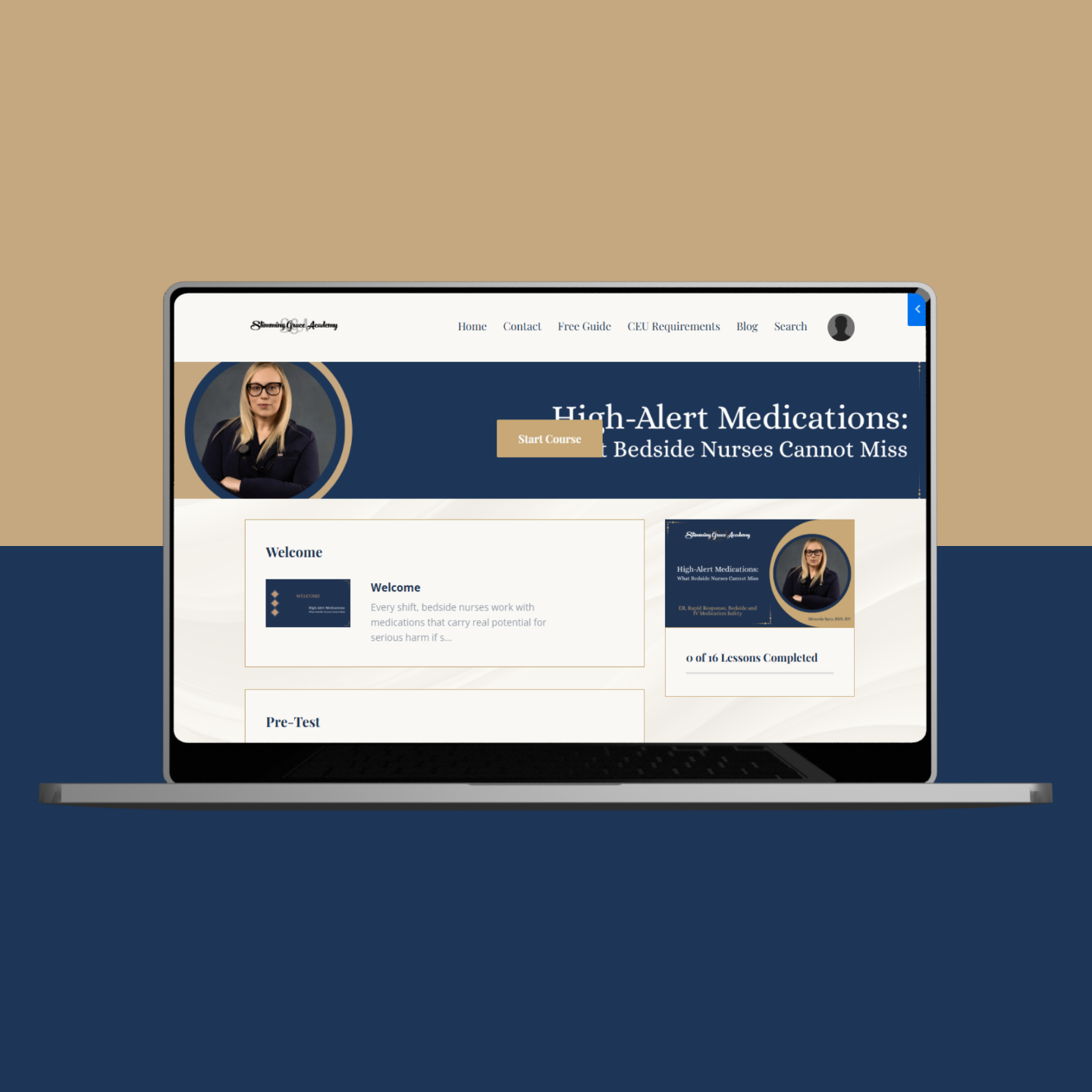
By the end of this course, you will:
➤ Recognize high-alert, emergency, and IV medications and why they carry elevated risk
➤ Identify the essential pre- and post-administration assessments, labs, and monitoring for each
➤ Detect unsafe routes, concentrations, dilution practices, and administration rates before they reach the patient
➤ Recognize dangerous drug-drug, drug-condition, drug-lab, and IV-compatibility combinations
➤ Choose the safest nursing response when an order, condition, or interaction raises concern
➤ Know exactly when to contact pharmacy, the provider, or the rapid response team
ENROLL NOW
Our "Practice with Confidence" Guarantee
I stand behind this course completely and want you to feel 100% secure in your investment.
Enroll today and put the strategies to the test. If you don't feel more prepared and confident in your ability to protect your license, I haven't done my job.
Just reach out within 30 days for a refund as per our policy terms. You can start building a safer practice today, completely risk-free.
Our "Practice with Confidence" Guarantee
I stand behind this course completely and want you to feel 100% secure in your investment.
Enroll today and put the strategies to the test. If you don't feel more prepared and confident in your ability to protect your license, I haven't done my job.
Just reach out within 30 days for a refund as per our policy terms. You can start building a safer practice today, completely risk-free.
Is this course CE eligible?
Yes. Complete the course, pass the case-based post-test with 80% or higher, and submit the course evaluation to earn 4.0 ANCC NCPD contact hours.
How do I access the course after enrolling?
You'll receive access to your course materials through our secure online learning portal, so you can complete it at your own pace.
Do I need to finish by a certain date?
You'll get lifetime access, so you can complete it at your own pace. There's no expiration or pressure.
Is this only for nurses who've had a medication error flagged?
No. This course is built for any bedside, med-surg, telemetry, step-down, ED, or critical-care nurse who wants a stronger, more repeatable high-alert medication safety process - before an event happens, not after.
What if I have questions during the course?
Please email us at danni@slimminggrace.com if you have any questions!
Every Shift Includes a High-Alert Medication. Be Ready for It.
Every skipped pause is a risk someone else has to catch downstream. Every rushed check is a gap that a concentration error, an interaction, or a rate mistake can slip through. Every shift is still worth the extra ten seconds it takes to be sure.
The time to build a stronger high-alert medication process is now - before a near-miss becomes an event.
START PRACTICING WITH CONFIDENCE
Every Shift Includes a High-Alert Medication. Be Ready for It.
Every skipped pause is a risk someone else has to catch downstream. Every rushed check is a gap that a concentration error, an interaction, or a rate mistake can slip through. Every shift is still worth the extra ten seconds it takes to be sure.
The time to build a stronger high-alert medication process is now - before a near-miss becomes an event.
START PRACTICING WITH CONFIDENCE